Middle East conflict, Beirut updates, Lebanon humanitarian crisis, Israel-Lebanon border tensions.
Stay updated on the Lebanon war news 2026. Explore the latest on the humanitarian crisis, regional impact, and the global economic consequences of the conflict.
The escalating conflict in Lebanon has become the focal point of global geopolitics in 2026. As tensions reach a boiling point, the situation on the ground remains volatile, with significant implications for the Middle East and the global economy. In this report, we break down the latest developments and the factors driving this crisis.
1. Current Situation: A Rapid Escalation
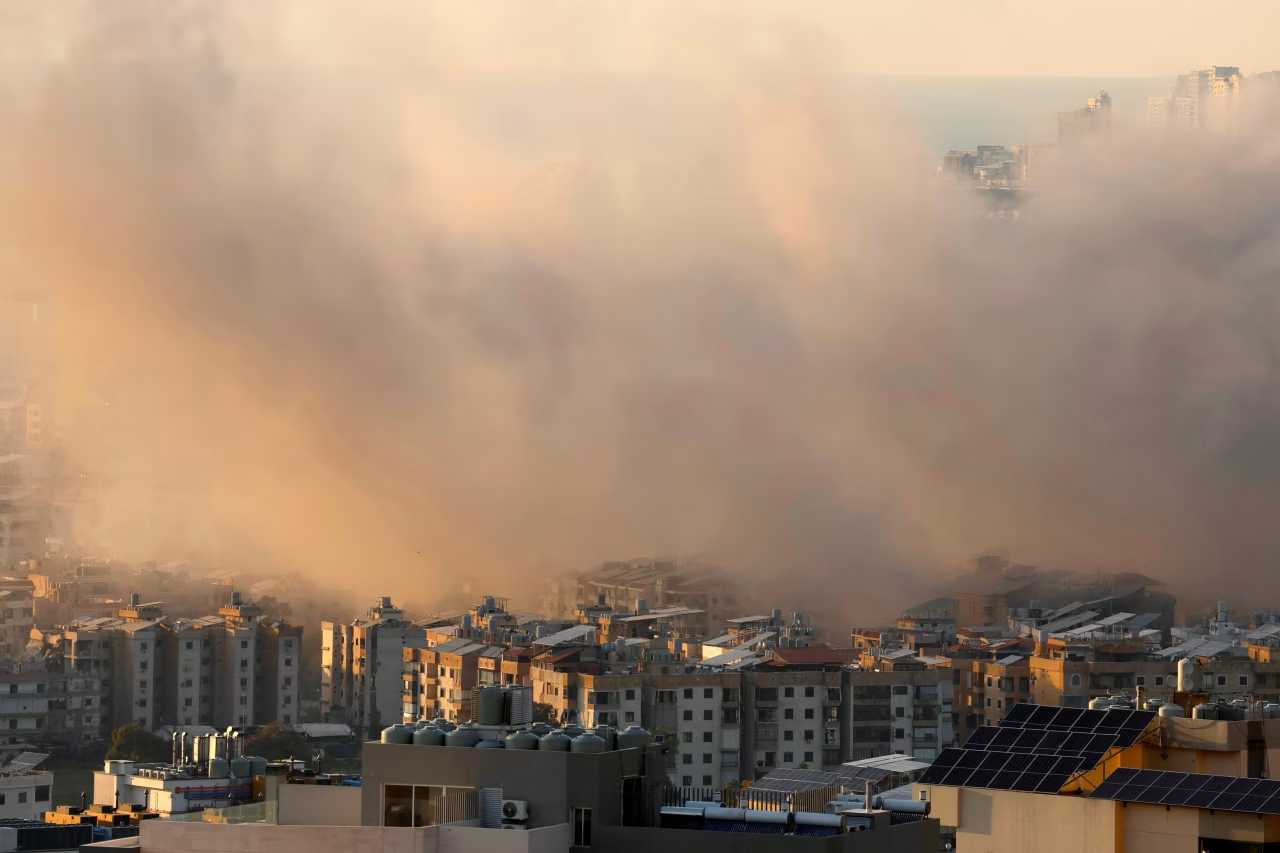
The border skirmishes that characterized the early months of the year have now evolved into a full-scale military confrontation. Strategic locations in South Lebanon, the Bekaa Valley, and the outskirts of Beirut have witnessed intense activity.
International observers note that the frequency of drone strikes and long-range artillery has increased, displacing hundreds of thousands of civilians and pushing the region toward a humanitarian breaking point.
2. The Humanitarian Crisis: A Growing Concern
The human cost of the Lebanon war is staggering. According to recent reports:
-
Mass Displacement: Over 500,000 people have fled their homes in Southern Lebanon, seeking refuge in makeshift shelters and northern provinces.
-
Medical Shortages: Hospitals are struggling with a severe lack of trauma kits, anesthesia, and electricity, making it nearly impossible to treat the rising number of casualties.
-
International Aid: While the UN and NGOs have mobilized resources, ongoing blockades and active combat zones are hindering the delivery of food and medicine.
3. Key Drivers of the Conflict
Understanding the Lebanon crisis requires looking at several interlocking factors:
-
Border Sovereignty: Disputed territories along the “Blue Line” remain a primary flashpoint.
-
Proxy Warfare: The involvement of regional powers has turned Lebanese soil into a theater for broader geopolitical struggles.
-
The Gaza Link: The persistence of the Gaza conflict continues to act as a catalyst, preventing any local de-escalation efforts.
4. Global Economic Repercussions
The world is feeling the tremors of the Lebanon war beyond the battlefield:
-
Oil Market Volatility: Concerns over the security of Mediterranean shipping lanes have caused a 15% spike in global crude oil prices.
-
Aviation Disruptions: Most international airlines have suspended flights to Beirut, impacting regional trade and tourism.
-
Market Sentiment: Global stock markets remain cautious as investors move toward “safe-haven” assets like gold.
5. The Path to Peace: Diplomatic Hurdles
Despite numerous calls for a ceasefire from the UN Security Council, a diplomatic breakthrough remains elusive. Peace proposals led by France and the United States are currently on the table, but both sides have demanded pre-conditions that the other finds unacceptable.
Important Note: The situation in Lebanon is developing rapidly. Readers are encouraged to follow live news feeds for minute-by-minute updates.
About the Author