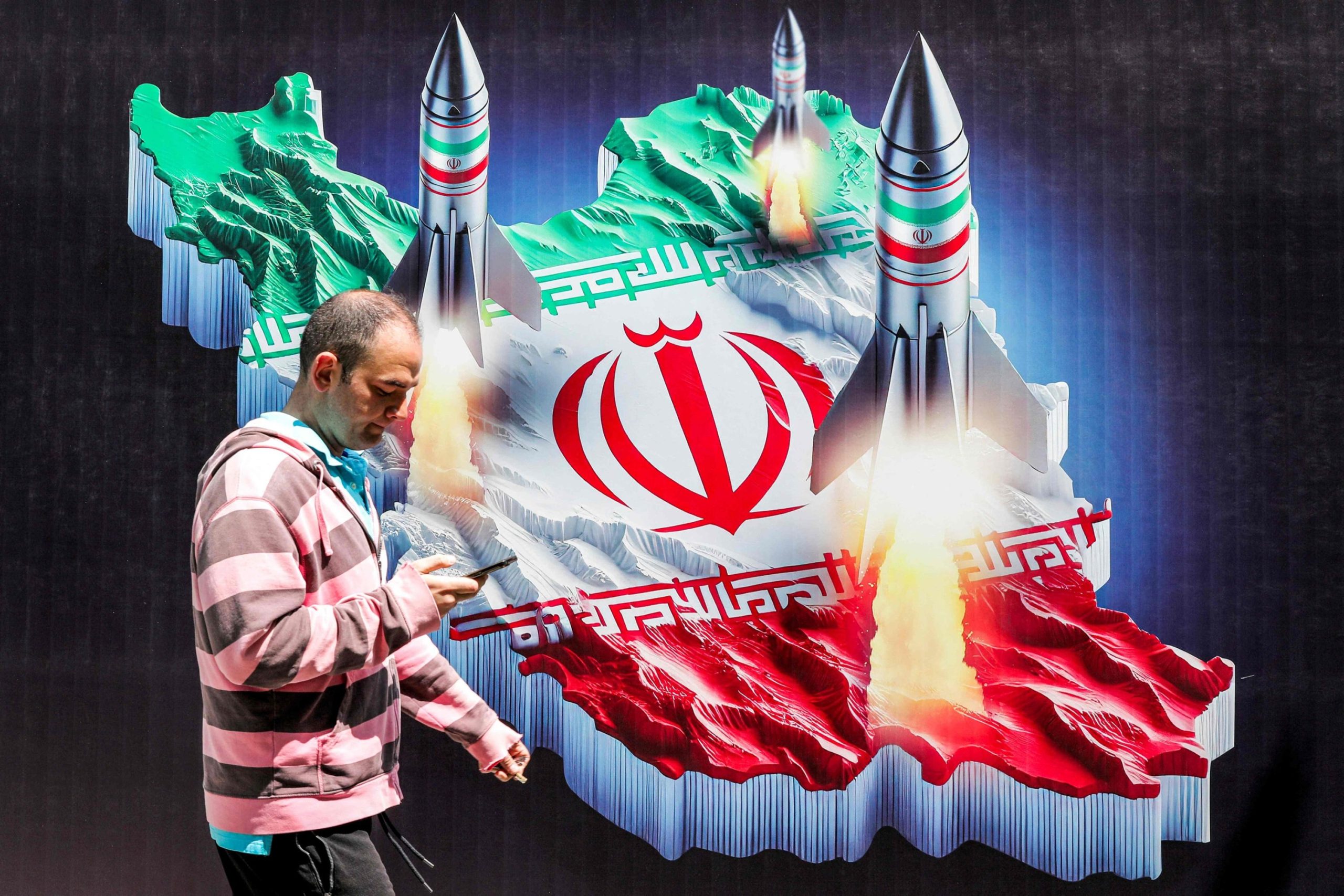
Latest updates on the Iran vs Israel conflict in 2026. Learn the causes, background, and global impact of rising tensions in the Middle East.
The rising tensions between Iran and Israel have once again placed the Middle East at the center of global attention. The long-standing rivalry between these two nations has evolved into one of the most complex geopolitical conflicts in modern history. Recent developments in 2026 have intensified concerns among world leaders, analysts, and citizens worldwide.
Understanding the causes, recent developments, and potential consequences of this conflict is crucial for anyone following international politics and global security.
- Iran Israel war 2026
- Iran vs Israel conflict
- Middle East war news
Historical Background of the Conflict
The roots of the Iran–Israel conflict go back several decades. Before 1979, Iran and Israel maintained relatively cooperative relations. However, everything changed after the Iranian Revolution in 1979, when Iran’s new leadership adopted a strong anti-Israel stance.
Since then, Iran has refused to recognize Israel as a legitimate state and has supported various regional groups that oppose Israel. Among these groups are Hezbollah in Lebanon and Hamas in Gaza.
Israel views Iran’s growing military influence and potential nuclear capabilities as major threats to its national security. As a result, both nations have engaged in indirect confrontations, intelligence operations, and occasional military strikes over the years.
What Triggered the 2026 Escalation?
In 2026, tensions escalated after reports of targeted Israeli strikes on facilities believed to be linked to Iranian military operations in the region. Shortly afterward, Iran responded with missile and drone attacks targeting Israeli assets.
These actions significantly increased fears of a broader military confrontation. Analysts warn that even a limited exchange between the two nations could trigger a wider regional conflict involving other countries in the Middle East.
The situation remains highly volatile, with both sides strengthening their military readiness while the international community calls for restraint.
Global Powers and International Reactions
The conflict has drawn significant attention from major global powers. The United States continues to support Israel’s defense capabilities and has emphasized Israel’s right to protect itself.
Meanwhile, countries such as Russia and China have urged diplomatic solutions and de-escalation to prevent the conflict from spreading further.
The United Nations has also expressed deep concern about the situation and has encouraged both sides to avoid actions that could destabilize the entire region.
Impact on the Global Economy
The Iran–Israel conflict does not only affect the Middle East; it also has significant global economic implications.
One of the most sensitive areas is the Strait of Hormuz, a strategic waterway through which a large portion of the world’s oil supply passes. Any disruption in this region could cause oil prices to rise sharply and affect global markets.
Additionally, increased geopolitical uncertainty may influence international trade, financial markets, and investment decisions worldwide.
Could This Conflict Become a Full-Scale War?
Experts remain divided about the possibility of a full-scale war between Iran and Israel. While both nations possess powerful military capabilities, a direct war could cause enormous economic damage and humanitarian consequences.
For this reason, many international leaders are pushing for diplomatic engagement and conflict management. However, continued military exchanges or unexpected incidents could quickly escalate the situation.
The coming months will likely determine whether tensions ease or whether the region moves closer to a broader conflict.
Conclusion
The Iran–Israel conflict remains one of the most important geopolitical challenges in the world today. As tensions rise and global powers monitor the situation closely, the possibility of further escalation continues to concern the international community.
Staying informed about developments in the Middle East is essential, as the outcome of this conflict could influence global security, economic stability, and international relations for years to come.
About the Author